

ปอทะเล
 | ลิงก์ข้ามภาษาในบทความนี้ มีไว้ให้ผู้อ่านและผู้ร่วมแก้ไขบทความศึกษาเพิ่มเติมโดยสะดวก เนื่องจากวิกิพีเดียภาษาไทยยังไม่มีบทความดังกล่าว กระนั้น ควรรีบสร้างเป็นบทความโดยเร็วที่สุด |
| ปอทะเล | |
|---|---|

| |
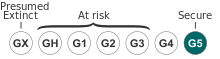
| สถานะการอนุรักษ์ | |
| การจำแนกชั้นทางวิทยาศาสตร์ | |
| อาณาจักร: | Plantae |
| ไม่ได้จัดลำดับ: | Angiosperms |
| ไม่ได้จัดลำดับ: | Eudicots |
| ไม่ได้จัดลำดับ: | Rosids |
| อันดับ: | Malvales |
| วงศ์: | Malvaceae |
| สกุล: | Hibiscus |
| สปีชีส์: | H. tiliaceus |
| ชื่อทวินาม | |
| Hibiscus tiliaceus L. | |
| ชื่อพ้อง | |
|
Talipariti tiliaceum (L.) Fryxell[2] | |
ปอทะเล (ชื่อวิทยาศาสตร์: Hibiscus tiliaceus) เป็นไม้ยืนต้น ใบรูปหัวใจ ขอบใบหยักถี่ ใต้ใบมีขนอ่อน ๆปกคลุม ดอกสีเหลือง บานตอนสาย พอตกเย็นจะกลายเป็นสีแดงแล้วหลุดร่วงไป ผลแห้ง แตก พบปอทะเลในบริเวณรอยต่อระหว่างน้ำจืดกับน้ำเค็ม
การใช้ประโยชน์[แก้]
เปลือกปอทะเลใช้ทำเชือก ใบเป็นยารักษาแผล เนื้อไม้ของปอทะเลมีความถ่วงจำเพาะ 0.6 นำไปใช้ในงานช่างไม้ได้ เช่นทำเรือ เปลือกไม้และรากใช้ต้มทำยาแก้ไข้ ใบอ่อนกินเป็นผัก ชนพื้นเมืองในฮาวายนำเนื้อไม้ไปสร้างเรือแคนู[3] ประเทศในแถบเอเชียนิยมนำปอทะเลไปทำบอนไซ ชาวโอรังอัซลีในรัฐเปรัก ประเทศมาเลเซียนำเปลือกทำเป็นผงแห้งใช้รักษาโรคติดต่อทางเพศสัมพันธ์[4]
สารเคมี[แก้]
Chrysanthemin (Cyanidin-3-glucoside) เป็นแอนโทไซยานินชนิดหลักที่พบในดอกของปอทะเล[5] ใบของปอทะเลมีสารต้านอนุมูลอิสระและ มีกิจกรรมต่อต้าน Tyrosinase[6]
อ้างอิง[แก้]
- ↑ "Hibiscus tiliaceus". NatureServe Explorer. NatureServe. คลังข้อมูลเก่าเก็บจากแหล่งเดิมเมื่อ 2007-09-29. สืบค้นเมื่อ 2007-07-03.
- ↑ "Talipariti tiliaceum (L.) Fryxell". Germplasm Resources Information Network. United States Department of Agriculture. 2002-07-24. คลังข้อมูลเก่าเก็บจากแหล่งเดิมเมื่อ 2012-10-07. สืบค้นเมื่อ 2010-02-16.
- ↑ "hau, hau kaʻekaʻe". Hawaii Ethnobotany Online Database. Bernice P. Bishop Museum. คลังข้อมูลเก่าเก็บจากแหล่งเดิมเมื่อ 2007-07-02. สืบค้นเมื่อ 2009-02-28.
- ↑ Samuel, A.J.S.J., Kalusalingam, A., Chellappan, D.K., Gopinath, R., Radhamani, S., Husain, H. A., Muruganandham, V., Promwichit, P. 2010. Ethnomedical survey of plants used by the orang asli in kampong bawong, Perak, West Malaysia. Joutnal of Ethnobiology and Ethnomedicine. 6:5
- ↑ Lowry, 1976
- ↑ (Masuda et al., 1999; 2005)
- Lowry, J.B. (1976). “Floral anthocyanins of some Malesian Hibiscus species”. Phytochemistry 15: 1395–1396.
- Masuda, T., Yonemori, S., Oyama, Y., Takeda, Y., Tanaka, T., Andoh, T., Shinohara, A., Nakata, M. (1999). ”Evaluation of the antioxidant activity of environmental plants: activity of the leaf extracts from seashore plants”. Journal of Agricultural and Food Chemistry 47: 1749–1754.
- Masuda, T., Yamashita, D., Takeda, Y., Yonemori, S. (2005). “Screening for tyrosinase inhibitors among extracts of seashore plants and identification of potent inhibitors from Garcinia subelliptica”. Bioscience, Biotechnology and Biochemistry 69: 197–201.
 | บทความพีชนี้ยังเป็นโครง คุณสามารถช่วยวิกิพีเดียได้โดยการเพิ่มเติมข้อมูล |